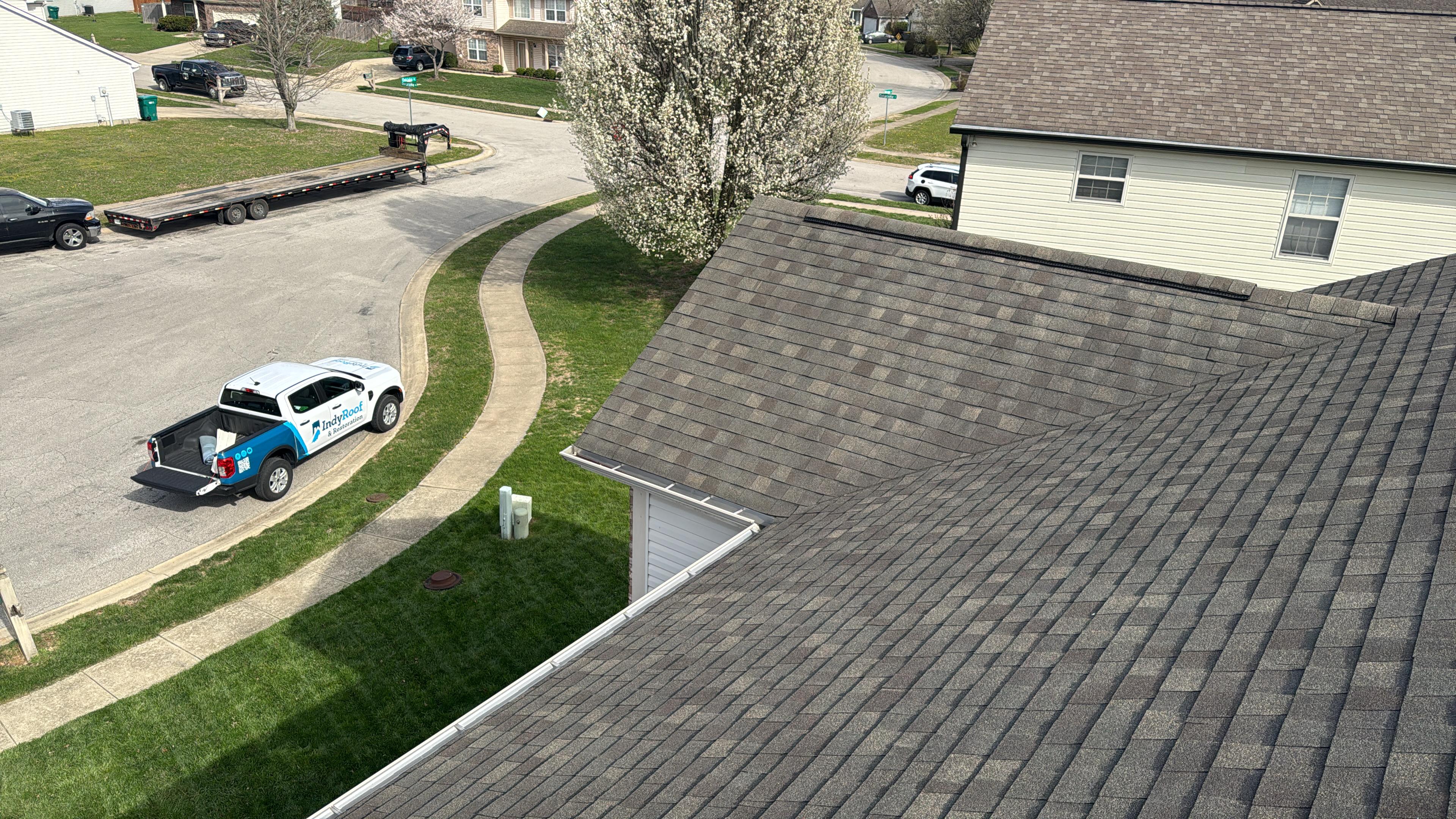
A Complete Guide to the Signs You Need a New Roof
Knowing when a roof needs replacing saves money, prevents interior damage, and lets you plan the work calmly. The difficulty is that roofs fail gradually, so the signs are easy to miss until they are serious. This guide lays out the warning signs, what each one means, and how to tell whether you are looking at a repair or a replacement. For a Limestone Springs homeowner, reading these signs together against the roof's age, and confirming with an inspection, is the reliable way to judge the roof's condition and act at the right time.
Signs at a Glance
The table below summarizes the common signs, what each typically indicates, and whether it usually points to a repair or a replacement. Treat the repair or replace column as a general guide, since the right call depends on how severe and widespread the sign is and how it combines with the roof's age. The pattern it shows is that isolated signs often mean repairs, while widespread or structural signs point to replacement.
| Sign | What It Means | Typical Direction |
|---|---|---|
| A few missing shingles | Isolated wind damage | Repair |
| Widespread curling or cracking | Shingles aged out | Replace |
| Granules in gutters, bald spots | Protective layer worn | Often replace |
| One small ceiling stain | Localized leak | Repair |
| Multiple interior leaks | Broad roof failure | Replace |
| Sagging roofline | Structural or decking damage | Replace |
Granule Loss Explained
Granule loss deserves its own explanation because it is both common and revealing. The granules on asphalt shingles protect the asphalt from the sun, and as shingles age they shed these granules into the gutters and leave bald spots where the darker asphalt shows. Once exposed, the asphalt ages faster, so granule loss both signals and accelerates wear. A newer roof sheds some loose granules harmlessly, but heavy shedding on an older roof is a meaningful sign. For a Limestone Springs homeowner, the gutters are a convenient place to check, since granule buildup there reflects how far the shingles have worn.
What to Do Next
If you are seeing one or more of these signs, the next step is a professional inspection. A roofer assesses the shingles, flashing, decking, and overall condition, confirms whether the signs warrant repair or replacement, and provides an honest recommendation and estimate. Acting when you notice the signs, rather than waiting for a leak, lets you address the roof on your own schedule and prevents water from damaging the structure below. For a Limestone Springs homeowner, that early action turns a potential emergency into a planned, manageable project and ensures the decision rests on a real assessment. The longer water sits in a failing roof, the more it costs to repair the structure below, so checking the roof when you first notice the signs is the most economical move a homeowner can make.
Exterior Signs
The outside of the roof shows the most signs, since it faces the weather directly. Curling, cupping, and clawing shingles, cracked and missing shingles, bald spots from granule loss, moss and algae, and damaged flashing are all visible from outside, many from the ground. Isolated versions of these often mean a repair, while widespread versions across the roof indicate the shingles have worn out together. For a Limestone Springs homeowner, a careful look at the overall condition of the shingles and flashing, ideally with binoculars or by a professional rather than by climbing up, is the starting point for assessing whether the roof needs replacing.
Interior Signs
The inside of the home reveals signs that are often more definitive, because water reaching the interior has already passed through the roof. Water stains on ceilings and upper walls, active drips, peeling paint from moisture, and a musty smell all indicate intrusion. The attic is especially telling: daylight through the boards, stained or damp decking, and wet insulation confirm the roof is compromised. A single interior sign might be a repairable issue, but signs in several places suggest broad failure. For a Limestone Springs homeowner, checking the attic and ceilings is an important and accessible part of judging the roof's condition.
The Age Factor
Age provides the context for reading every other sign. Most asphalt roofs last roughly twenty to thirty years depending on the shingle type, so a roof in or past that range is naturally near the end, and the same wear signs mean more on an old roof than a young one. A young roof with one issue likely needs a repair, while an old roof with several signs likely needs replacing. For a Limestone Springs homeowner, knowing the roof's age and comparing it to the material's expected lifespan is often the factor that resolves an otherwise ambiguous set of signs.
Repair vs Replace
The central question behind all these signs is whether to repair or replace, and the answer comes from how the signs combine. Isolated damage on a roof with life left, like a few missing shingles or one small leak, usually means a repair. Widespread wear, structural signs, multiple interior leaks, or any of these on a roof near the end of its lifespan point to replacement. For a Limestone Springs homeowner, the decision rests on the severity and spread of the signs together with the roof's age, and a professional inspection is what weighs these accurately and gives a clear recommendation.
Curling and Cupping Explained
Curling, cupping, and clawing all describe shingles that have lost their flat shape as they age and dry out. Cupping turns the edges up, clawing raises the center, and curling is the general term. Whatever the form, these shingles no longer seal properly, leaving the roof open to wind driven rain. Curling in a small area might be repaired, but curling across the roof means the shingles have collectively reached the end of their life. For a Limestone Springs homeowner, widespread curling is among the clearest visual signs of a roof that needs replacing, since it reflects the age of the entire shingle field.
Structural Signs
Structural signs are the most serious because they involve the wood that holds the roof up, not just the surface. A sagging or wavy roofline points to water damaged decking or weakened framing, meaning moisture has moved past the shingles into the structure. These signs are urgent and warrant prompt attention, since the damage tends to spread and worsen. For a Limestone Springs homeowner, any sign of sagging means a replacement that includes repairing the affected decking is likely needed, and it is the kind of sign that should never be put off, because the structural integrity of the roof is at stake.
Repeated Repairs
The history of repairs is itself a sign. A roof that needs fixing repeatedly, or that leaks in several different places, is telling you the roofing has worn out broadly rather than failing at one point. Each repair tends to be followed by another, and the cumulative cost can exceed the price of a new roof. When repairs become frequent and the problems spread, the sensible response shifts from patching to replacing. For a Limestone Springs homeowner, a pattern of recurring repairs is one of the most practical real world signals that the roof has reached the end of its useful life.